


Memory-guided behavior: an overview
This short course provides a broad introduction to how memory supports and shapes behavior. Aimed at undergraduate, master’s, and postdoctoral students.
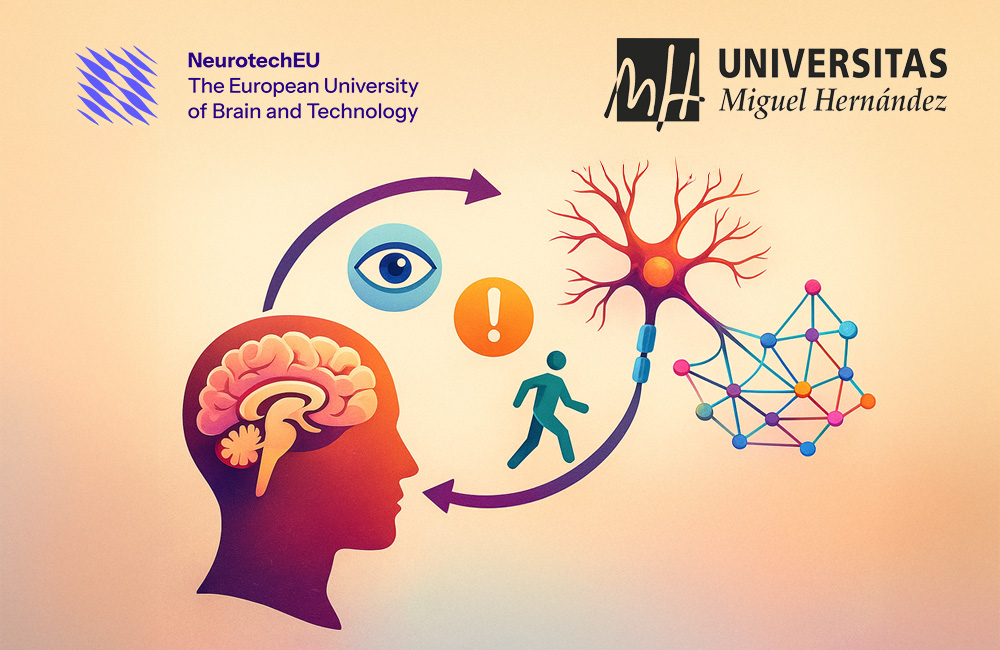
This short course provides a broad introduction to how memory supports and shapes behavior. Aimed at undergraduate, master’s, and postdoctoral students, it highlights key experimental approaches that have advanced our understanding of memory processes. Participants will gain a basic understanding of memory formation, consolidation, and retrieval, and how these processes guide decision making and adaptive actions. Moreover, the course also explores how disruptions in specific brain areas or their connectivity can alter memory and, consequently, behavior. Overall, it offers an introduction to the biological basis of memory and its modulation under healthy and pathological conditions.
Upon completion of the course, the undergraduate/master/doctoral student should be able to:
• Recognize the main brain systems involved in memory-guided behavior
• Describe how experimental approaches have contributed to the study of memory
• Identify how disruptions in specific brain areas or their connectivity can alter memory and behavior
If you have any comments or questions please contact Dr. Encarni Marcos at emarcos@umh.es
Lessons
Number of lessons: 1-
Dr. Encarni Marcos
This lesson offers an overview of how memory is formed, stored, and used to guide actions. Designed for students at all levels, it covers fundamental processes such as encoding, consolidation, and retrieval, along with key experimental methods…