


The chick embryo as animal model: history, researchers, advantages
This course designed for master’s and PhD students offers an in-depth examination of one of the most enduring and versatile models in developmental and biomedical research.
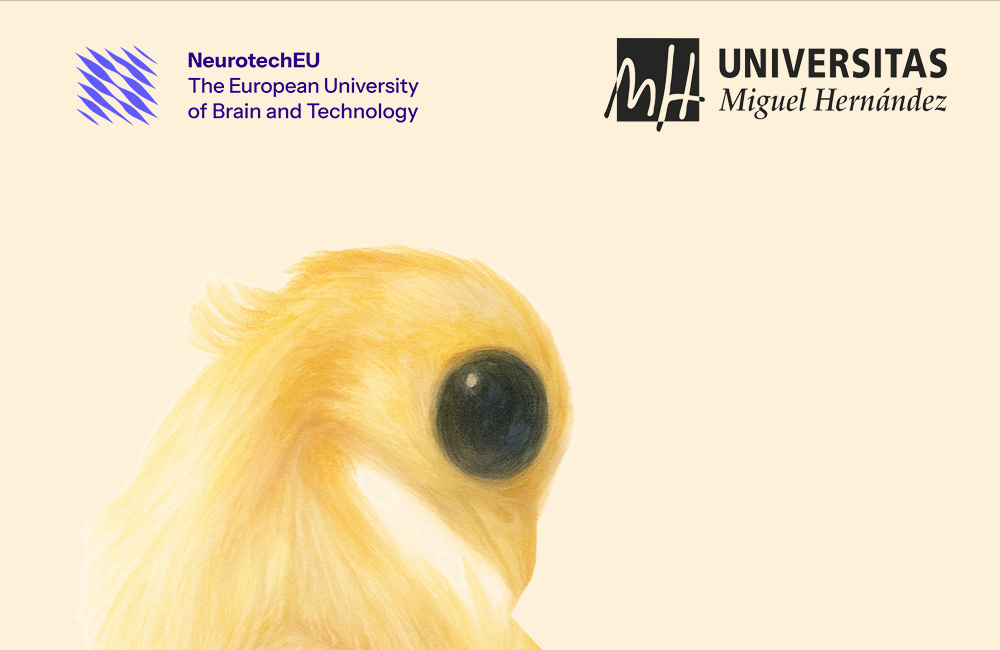
This course offers an in-depth examination of one of the most enduring and versatile models in developmental and biomedical research. Designed for master’s and PhD students, it traces the historical development of the chick embryo as a scientific model—from early embryological observations to its modern applications in genetics, neuroscience, and regenerative biology. Students will learn about the pioneering researchers who shaped the field, the experimental techniques that made the model indispensable, and the ethical and practical advantages that continue to support its use today. By integrating historical context with current methodologies, the course highlights how the chick embryo continues to provide unique insights into vertebrate development, disease modeling, and translational research.
Upon completion of the course, the master/doctoral student should be able to:
- Learn the historical perspective of embryo development studies
- Understand the advantages and disadvantages of using the chick as animal model
- Potential applications of the animal model into modern neuroscience
If you have any comments or questions please contact Dr. Augusto Escalante at aescalante@umh.es
Lessons
Number of lessons: 1-
Dr. Augusto Escalante
This lesson introduces the chick embryo as a foundational model in developmental and biomedical science. Students will explore its historical significance, key experimental techniques, and the reasons it remains a powerful tool in contemporary…